
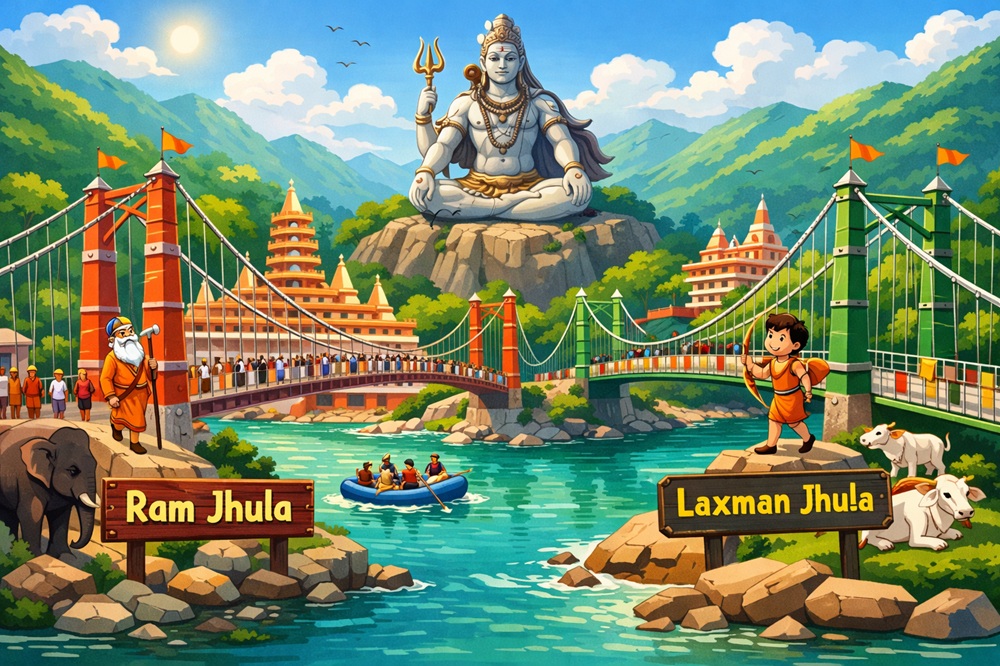
Ram Jhula and Laxman Jhula, Rishikesh: Travel Guide (2026)
When you plan a trip to Rishikesh, two landmarks you simply cannot miss are Ram Jhula and Laxman Jhula. These iconic suspension bridges are more than just river crossings—they represent the spiritual soul, daily life, and vibrant energy of Rishikesh.
Spanning the sacred Ganga, Ram Jhula and Laxman Jhula connect bustling neighborhoods, serene ashrams, cafés, temples, and viewpoints, making them essential stops for every traveler, yogi, and photographer.
Ram Jhula and Laxman Jhula – Why Are They So Famous?
Both bridges are deeply rooted in Hindu mythology and modern travel culture:
-
They offer stunning views of the Ganga flowing through the Himalayan foothills
-
They connect important spiritual areas like Swarg Ashram, Tapovan, and Muni Ki Reti
-
They are surrounded by yoga ashrams, guesthouses, cafés, and temples
-
Walking across them gives you a true “local Rishikesh” experience
Whether you visit at sunrise, sunset, or during the Ganga Aarti hours, the atmosphere here is unforgettable.
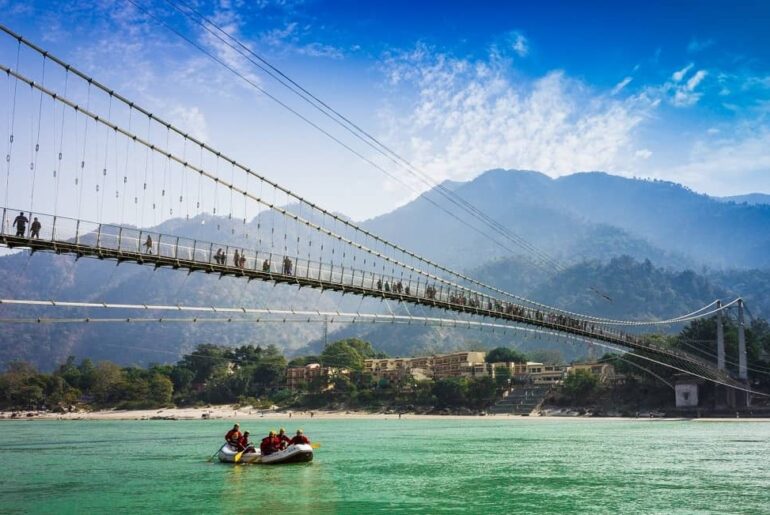
Ram Jhula – Spiritual Calm and Ashram Life
Ram Jhula is known for its relatively peaceful environment and strong spiritual vibe. It connects Swarg Ashram to Sivananda Nagar, making it a preferred area for devotees, yoga students, and slow travelers.
Why visit Ram Jhula?
-
Close to famous ashrams and meditation centers
-
Less chaotic than Laxman Jhula
-
Ideal for spiritual walks and quiet river views
-
Great spot for photography during early morning and evening
Walking on Ram Jhula, with temple bells ringing and the Ganga flowing below, feels meditative and grounding.
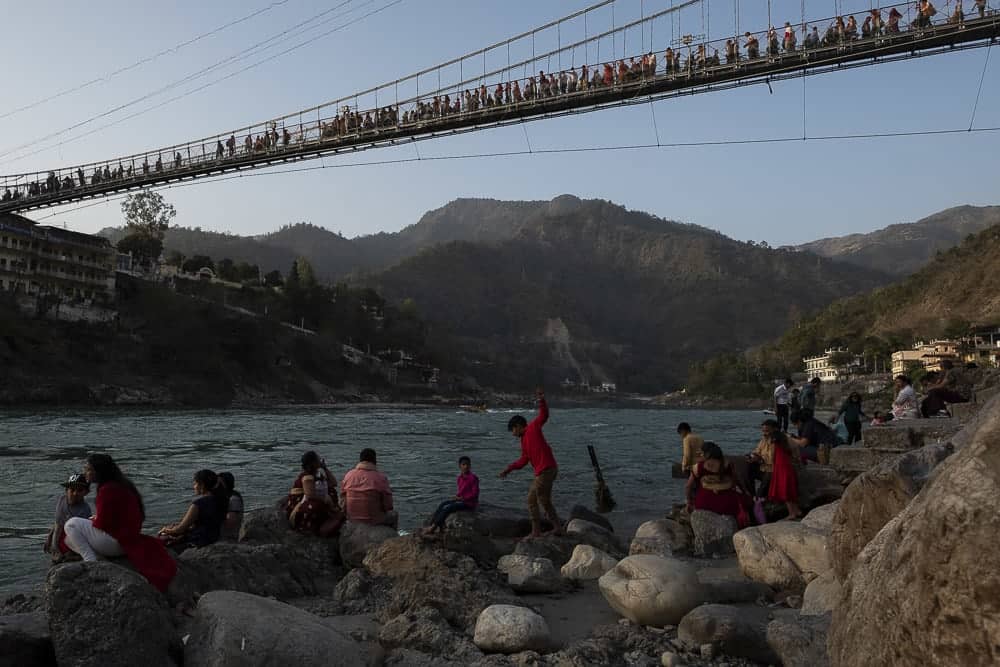
Laxman Jhula – Vibrant, Lively, and Backpacker-Friendly
Laxman Jhula is the most famous and photographed bridge in Rishikesh. It connects Tapovan with Jonky Village and is surrounded by cafés, yoga schools, tattoo studios, and guesthouses.
Why visit Laxman Jhula?
-
Lively atmosphere with international travelers
-
Many cafés offering river and bridge views
-
Close to temples linked to Lord Laxman
-
Best place for shopping souvenirs and street food
If you enjoy social energy, café hopping, and meeting fellow travelers, Laxman Jhula is the place to be.
Ram Jhula vs Laxman Jhula (Which One Is Better?)
| Feature | Ram Jhula | Laxman Jhula |
|---|---|---|
| Atmosphere | Peaceful & spiritual | Lively & touristy |
| Best for | Meditation, ashrams | Cafés, backpackers |
| Crowd level | Moderate | High |
| Shopping | Limited | Plenty of shops |
| Photography | Calm river shots | Iconic bridge views |
Travel tip: Don’t choose one—visit both. They offer two very different experiences of Rishikesh.
Ram Jhula and Lakshman Jhula – Can You Visit Both in One Day?
Yes, absolutely. Many travelers walk or take an auto-rickshaw between Ram Jhula and Laxman Jhula in a single day.
Suggested plan:
-
Morning: Walk across Ram Jhula and explore Swarg Ashram
-
Afternoon: Café lunch in Tapovan
-
Evening: Visit Laxman Jhula and nearby temples
-
Sunset: Enjoy views from the bridge and nearby riverbanks
This gives you a perfect balance of spirituality and travel vibes.
Best Time to Visit Ram Jhula and Laxman Jhula
-
Best months: October to April
-
Best time of day: Early morning or sunset
-
Avoid: Monsoon season (July–August) due to crowds and humidity
Winter mornings offer misty views, while evenings bring golden reflections on the river.
Travel Tips for Visiting Ram Jhula and Laxman Jhula
-
Two-wheelers are allowed, but walk if you want the best experience
-
Keep your phone secure—monkeys are common
-
Wear comfortable footwear for walking
-
Respect temple and ashram rules nearby
-
Sunrise and sunset are best for photography
Final Thoughts
Ram Jhula and Laxman Jhula are not just bridges—they are experiences that define Rishikesh. One offers calm spirituality, the other vibrant traveler energy. Together, they show why Rishikesh is called the Yoga Capital of the World.
If you’re writing or vlogging about Rishikesh, these two landmarks deserve a central place in your travel story.