
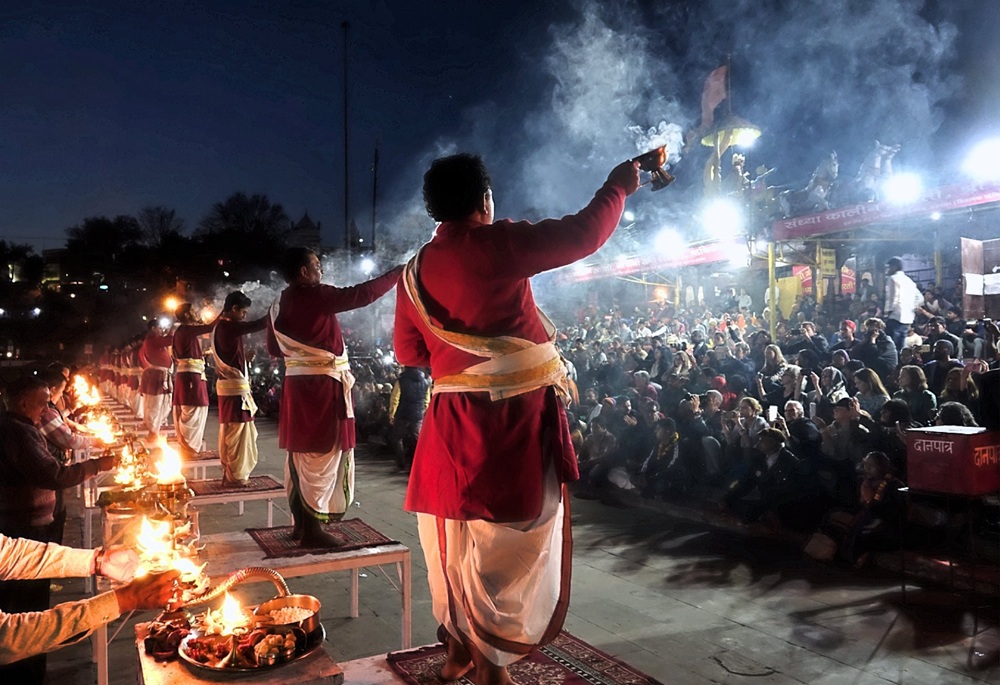
Parmarth Niketan to Triveni Ghat (Distance, Tips & What to Expect)
Rishikesh is a spiritual haven where the Ganga flows with divine energy and ancient traditions continue to thrive along its sacred ghats. Among its many landmarks, Parmarth Niketan and Triveni Ghat stand out as two of the most iconic places for devotees, yoga lovers, and travelers seeking peace. If you are planning to explore both, this guide covers everything you need to know about traveling from Parmarth Niketan to Triveni Ghat, including distance, the best way to travel, history, experiences, and insights to choose between the two.
Understanding the Route: Parmarth Niketan to Triveni Ghat Distance
One of the most common questions travelers ask is: How far is it from Parmarth Niketan to Triveni Ghat?
The Parmarth Niketan Ashram to Triveni Ghat distance is approximately 3.5 to 4 kilometers, depending on the route you take. Since the ashram is located in the Tapovan–Ram Jhula area and Triveni Ghat lies closer to the town center of Rishikesh, the drive is smooth and scenic.
If you are starting from the town side instead, the Rishikesh to Triveni Ghat distance from the main bus stand or railway station is barely 1–1.5 km, making it a quick visit for pilgrims and tourists alike.
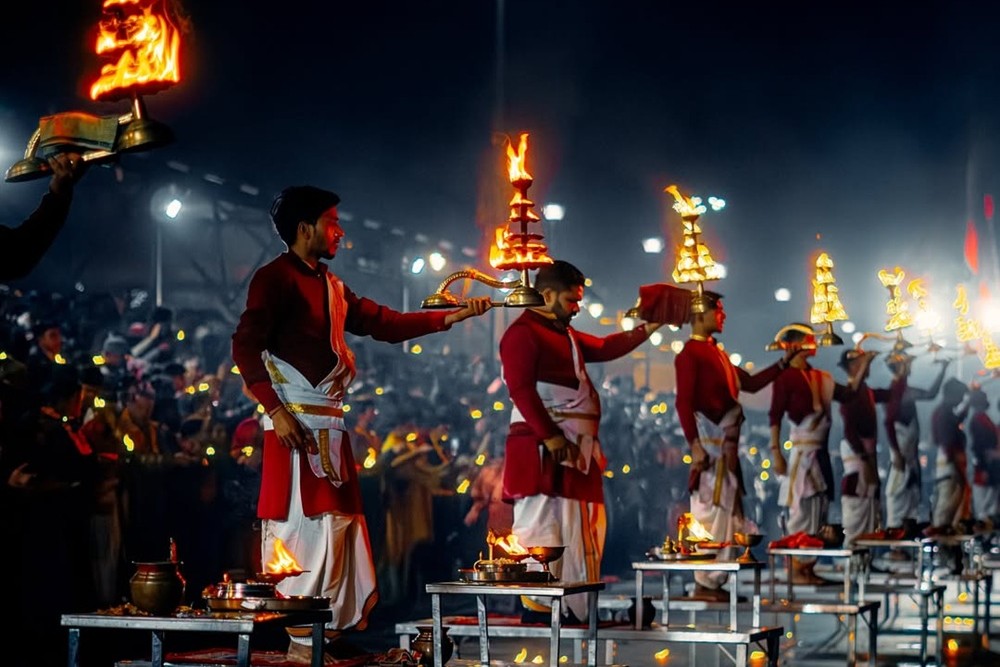
Parmarth Niketan Ghat Rishikesh – A Peaceful Spiritual Retreat
Before heading to Triveni Ghat, take your time to explore Parmarth Niketan Ghat Rishikesh. Located on the western bank of the sacred Ganga, the ghat is part of the Parmarth Niketan Ashram campus, one of the largest and most respected spiritual institutions in India.
Known for its serene ambience, it attracts thousands who come to meditate, attend yoga sessions, or participate in the soulful Ganga Aarti conducted every evening at the ghat.
Highlights include:
-
The divine Ganga Aarti performed by ashram saints and students.
-
Peaceful morning meditation spaces.
-
The massive Lord Shiva statue near the ghat.
-
Clean, well-maintained riverfront perfect for reflection.
Once you finish your visit here, continue your journey toward the town to reach Triveni Ghat.

Traveling from Parmarth Niketan to Triveni Ghat: Best Ways to Commute
There are multiple ways to cover the Parmarth Niketan to Triveni Ghat distance, depending on your time and comfort:
1. Auto-Rickshaw
This is the most convenient option. Autos are available across the river Janki Setu Bridge and Ram Jhula.
Cost: ₹80–₹150 depending on traffic and bargaining.
2. Walking
If you love walking, the route is charming—crossing the iconic Janki Jhula and then heading toward the main Rishikesh market. It takes around 45–60 minutes.
3. Two-Wheeler or Bicycle
Rentable scooters or bicycles are available in Swarg Ashram , Ram Jhula , Janki Setu Bridge and in Tapovan. This option is perfect for solo travelers and backpackers.
4. Cab or Personal Vehicle
Fastest and most comfortable, especially if you are traveling with family.
Triveni Ghat History – Why This Ghat is So Sacred
No trip from Parmarth Niketan to Triveni Ghat is complete without understanding why Triveni Ghat holds such significance.
The Triveni Ghat history dates back thousands of years. As per Hindu scriptures, this is the meeting point (Triveni) of three sacred rivers:
-
Ganga
-
Yamuna
-
Saraswati (mythical and underground)
This confluence makes the ghat extremely powerful for spiritual cleansing. Pilgrims believe that a dip here purifies sins and brings peace to ancestors.
Other key historical notes:
-
Krishna is said to have visited this ghat during his stay in Rishikesh.
-
Many ancient ashrams and hermitages developed around this region.
-
Triveni Ghat has been a central cremation and ritual site for centuries.
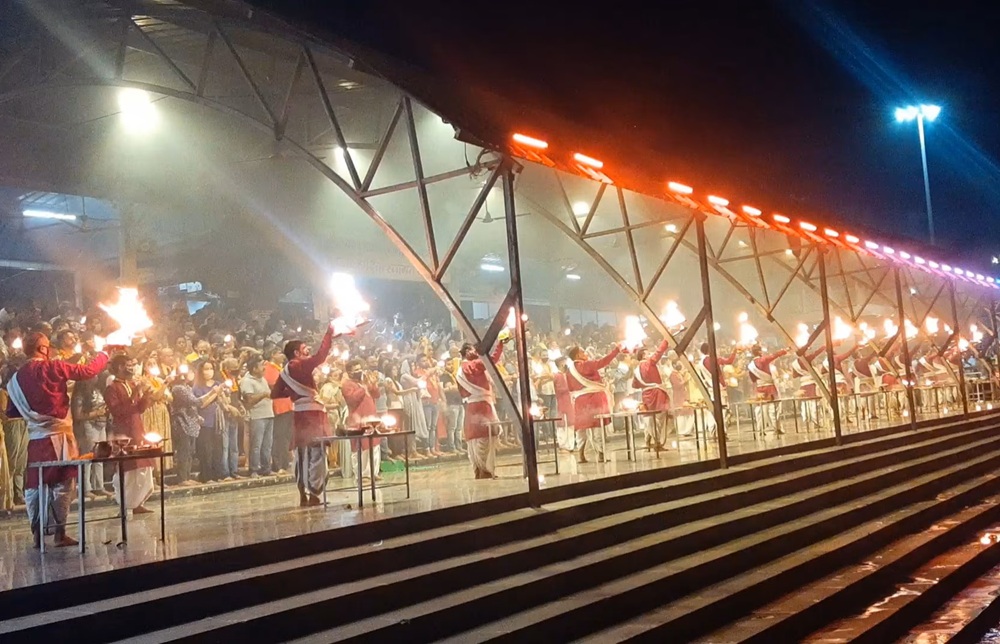
Triveni Ghat Experience: What Makes It Special
Once you reach Triveni Ghat, you will notice a completely different vibe from Parmarth Niketan. While Parmarth is peaceful and meditative, Triveni Ghat is lively, energetic, and deeply rooted in local culture.
Key experiences:
-
Maha Ganga Aarti every evening with chanting, drums, Diyas, and rituals.
-
Morning holy dips and rituals performed by locals.
-
Shops selling religious items, sweets, and spiritual souvenirs.
-
A vibrant environment with temples like Gita Mandir and Lakshmi Narayan Temple nearby.
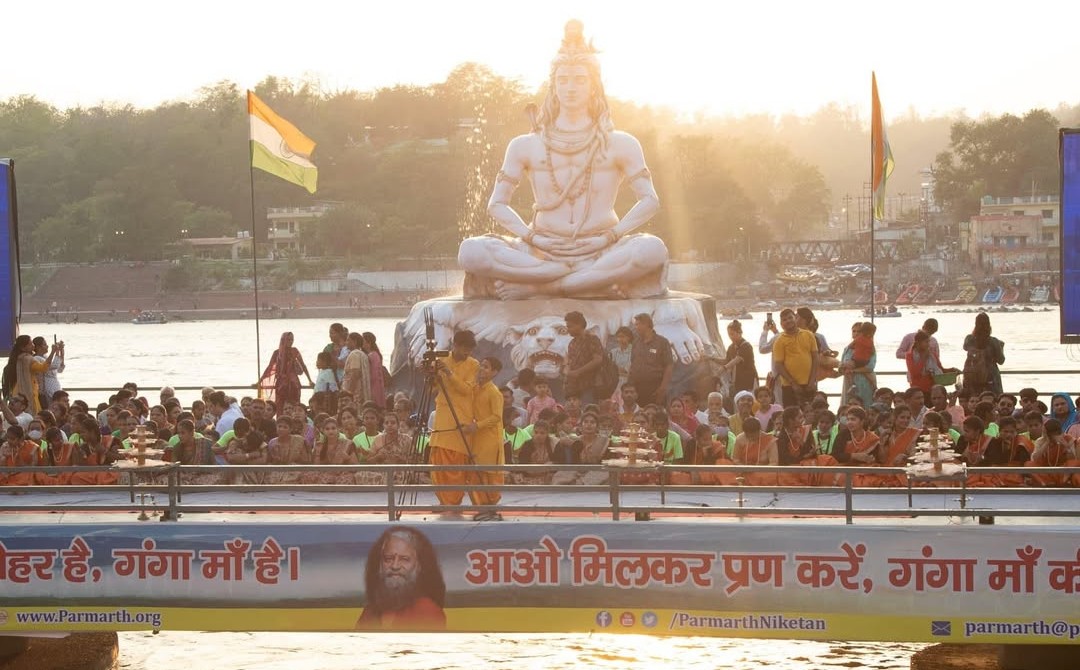
Parmarth Niketan vs Triveni Ghat – Which One Should You Choose?
Travelers often compare the two, but both offer unique experiences:
Parmarth Niketan
-
Ideal for peace seekers, yogis, and meditation lovers.
-
Organized and serene environment.
-
Perfect if you prefer a structured spiritual routine.
Triveni Ghat
-
Ideal for witnessing raw spiritual energy of Rishikesh.
-
Best for attending traditional Ganga Maha Aarti.
-
Great for photography, rituals, and local interaction.
In short, it shouldn’t be Parmarth Niketan vs Triveni Ghat, but Parmarth Niketan and Triveni Ghat.
Both are must-visit places offering different shades of Rishikesh’s spiritual beauty.
Final Thoughts
Exploring the journey from Parmarth Niketan to Triveni Ghat gives travelers a deeper understanding of Rishikesh’s spiritual diversity. Whether you love calm meditation spaces or vibrant riverside rituals, this short route connects two contrasting yet complementary worlds.
Make sure to explore both to truly experience the heart and soul of Rishikesh from Parmarth Niketan to Triveni Ghat.