
Jhilmil Zone Rajaji National Park: The Hidden Wetland Safari Near Haridwar
This quiet marshland ecosystem, known as Jhilmil Jheel Conservation Reserve, is where grasslands stretch endlessly toward the horizon, wetlands shimmer under the sun, and wildlife moves almost invisibly through the tall reeds.
Overview : Jhilmil Zone Rajaji National Park
Unlike crowded safari zones, Jhilmil offers something rare — silence, space, and a feeling of stepping back into prehistoric Terai wilderness.
Jhilmil Conservation Reserve – The Last Wild Terai Marshland
Declared a conservation reserve in 2005 during the presidency of A. P. J. Abdul Kalam, Jhilmil protects one of the last remaining Terai wetland ecosystems in Uttarakhand.
At an altitude of about 240 meters, the area forms a natural wildlife corridor connecting forest habitats to the Gangetic plains. When you climb the watchtower overlooking the wetlands, the landscape looks almost unchanged for centuries — a sweeping mosaic of grasses, water channels, and scattered forest patches.
What makes this reserve truly special is that it is the only place in Uttarakhand and western Uttar Pradesh where the rare Swamp Deer (Barasingha) still survives in the wild.
Once common across the Terai belt between the Shivalik Hills and the Gangetic plains, these elegant deer are now restricted to only a few protected habitats in India.
Jhilmil Jheel Conservation Reserve:
Located on the left bank of the Ganga River in the Chiriyapur forest range of Haridwar, Jhilmil Jheel Conservation Reserve is a remarkable wetland landscape covering 37.83 km². This saucer-shaped wetland forms part of the greater ecosystem connected to Rajaji National Park, making it one of the most important wildlife habitats in northern India.
Jhilmil Jheel holds a special place in India’s conservation history. It was declared a Conservation Reserve on 14 August 2005, making it among the first protected areas in the country established under this category. The reserve was created to safeguard fragile wetland ecosystems and protect rare wildlife species that depend on the marshy Terai landscape.
Wetland Formation and Landscape
The central part of Jhilmil Jheel consists of a swampy oxbow lake, formed over time as the channels of the Ganga River gradually shifted. This natural process created a network of seasonal and perennial swamps that now define the wetland’s ecological character.
The surrounding Terai landscape forms a diverse mosaic of habitats that include:
-
Short and tall grasslands
-
Tropical mixed moist deciduous forests
-
Secondary scrub vegetation
This varied terrain provides ideal conditions for numerous species of wildlife and plants, making Jhilmil one of the most biologically diverse wetland ecosystems in Uttarakhand.
Climate and Natural Habitat
The reserve experiences a sub-tropical climate, with temperatures ranging from 2°C in winter to 44°C in summer. Relative humidity levels vary between 45% and 80%, while annual rainfall ranges from 1050 mm to 1550 mm.
These climatic conditions support a rich variety of plant species and create a thriving habitat for insects, particularly butterflies, which flourish in the moist wetland environment.
Situated at a low elevation of about 240 meters (800 feet) above sea level, the wetland remains water-rich throughout much of the year, making it a crucial refuge for wildlife in the Terai region.
Wildlife at Jhilmil Jheel
One of the most significant aspects of Jhilmil Jheel Conservation Reserve is that it supports Uttarakhand’s only surviving population of the Swamp Deer or Barasingha (Rucervus duvaucelii duvaucelli). These elegant deer were once widely distributed across the Terai belt but now survive only in a few protected habitats in India.
The reserve also supports a wide range of other mammals, including:
-
Chital (Axis axis)
-
Sambar (Rusa unicolor)
-
Barking Deer (Muntiacus muntjak)
-
Asian Elephant (Elephas maximus)
-
Nilgai (Boselaphus tragocamelus)
-
Leopard (Panthera pardus)
-
Occasional sightings of Tiger (Panthera tigris)
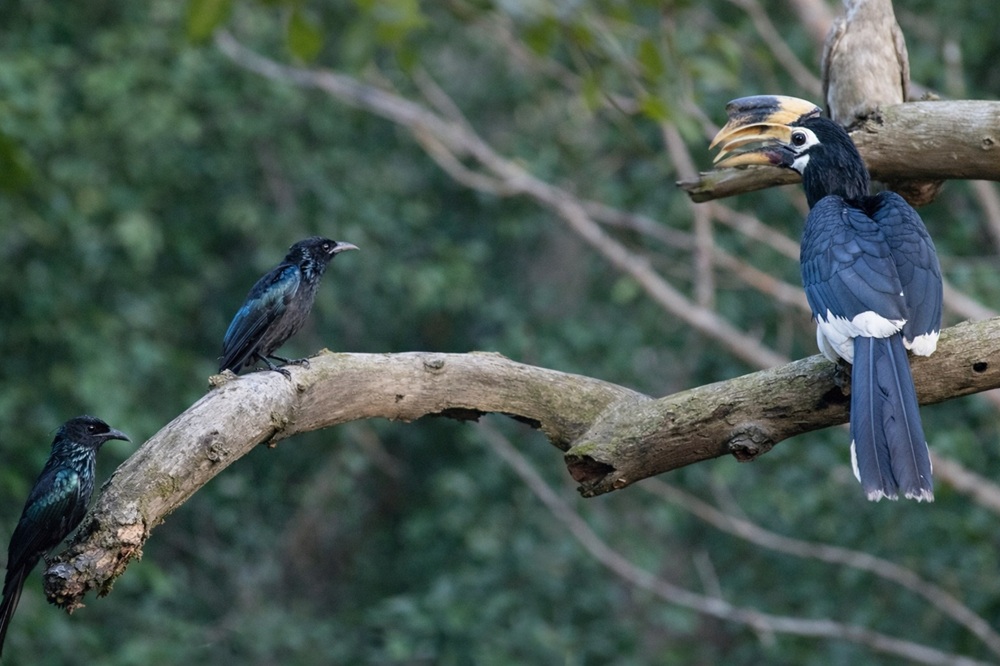
In addition to large mammals, Jhilmil Jheel attracts numerous resident and winter migratory birds, making it a popular destination for birdwatching during the cooler months.
Local Communities and Conservation Efforts
Tantpur village is the only settlement located close to Jhilmil Jheel. The local community has played an important role in supporting conservation initiatives, particularly the protection of the endangered Swamp Deer population in the reserve.
However, certain challenges continue to affect the ecosystem. Activities such as excessive livestock grazing and lopping of trees for fodder and fuelwood by nearby villagers and Gujjar pastoral communities have placed increasing pressure on the wetland habitat.
Environmental Challenges
The ecological balance of Jhilmil Jheel also faces threats from nearby development. A bottling plant operated by the brand Bisleri is located along the boundary of the reserve. Unregulated extraction of groundwater from the wetland area has contributed to a decline in the groundwater table, affecting the prime habitat of the Swamp Deer.
In addition, the construction of check dams at the drainage outlet where the wetland connects to the Ganges River has altered the natural water flow of the ecosystem. These changes in water regime can influence the hydrology of the marshlands and impact wildlife habitats within the reserve.
Despite these challenges, Jhilmil Jheel Conservation Reserve remains one of the most important wetland ecosystems in Uttarakhand, offering refuge to rare wildlife and preserving a fragment of the ancient Terai landscape that once stretched across northern India.
Jhilmil Jheel Haridwar – A Hidden Wetland Safari
Located close to Haridwar, Jhilmil Jheel is a shallow wetland surrounded by vast grasslands that form a perfect habitat for wildlife.
The safari track runs about 20 km through marshy terrain, taking around 2.5 to 3 hours to complete.
During the ride, the jeep passes through:
-
Dense forest patches
-
Open Terai grasslands
-
Wetlands and water channels
-
Crocodile basking zones
-
Bird watching areas
The winter months from November to March transform Jhilmil into a paradise for bird lovers. Migratory birds arrive from Central Asia and Siberia, filling the wetlands with movement and sound.
The marshes also attract mugger crocodiles, which often bask along the edges of the lake during sunny winter afternoons.
Jhilmil Gate Rajaji National Park – Entry to a Different Wilderness
From here, visitors transfer into an open Gypsy jeep assigned by the park authorities, accompanied by a forest guide.
The route includes:
-
A full circular safari track of around 18–20 km
-
Visits to two watchtowers overlooking Jhilmil Jheel
-
Wildlife viewing points such as Leopard Tree and Tiger Trail
-
A short 1 km nature walk toward the lake
From the Forest Chowki watchtower, the view across the wetlands is spectacular. The tall grasslands ripple with wind, and occasionally wildlife silhouettes appear against the horizon.
It is one of the rare places in North India where the landscape feels truly wild and undisturbed.
Jhilmil Jheel Conservation Reserve Wildlife
Wildlife found here includes:
Deer Species
-
Swamp Deer (Barasingha)
-
Chital (Spotted Deer)
-
Sambar Deer
-
Hog Deer
-
Barking Deer
Large Mammals
-
Asian Elephant
-
Leopard
-
Nilgai
-
Wild Boar
-
Occasionally Tiger
-
Sloth Bear in some areas
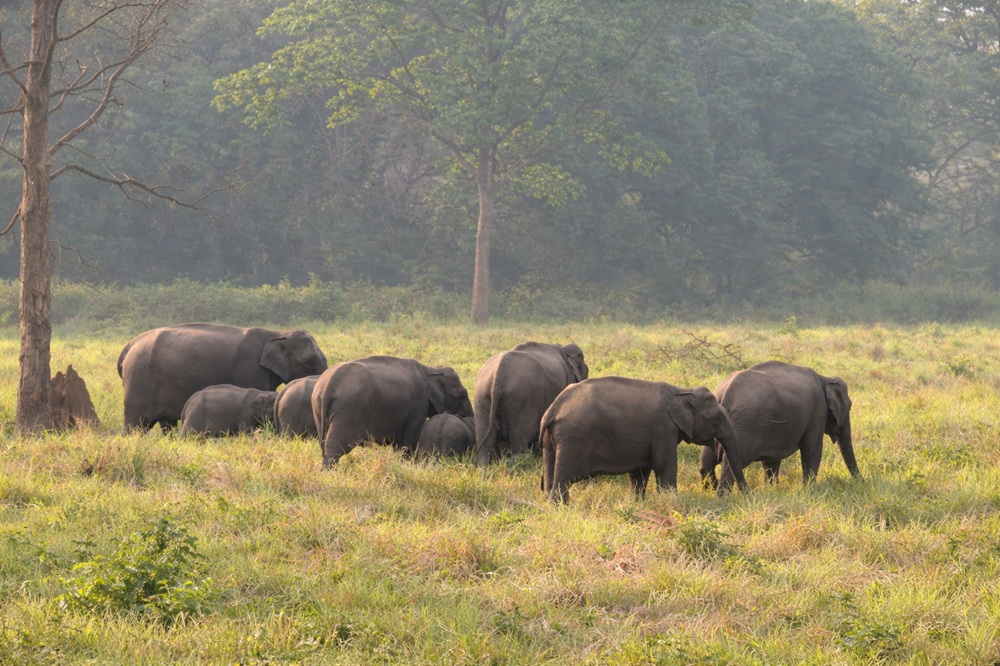
Elephant sightings are especially frequent in winter. Sometimes a lone tusker emerges from the forest, while other times a small herd of six or seven elephants crosses the grassland on its way to water.
Many elephants move between forests and nearby rivers, occasionally passing close to villages inhabited by the Gujjar pastoral community, who traditionally live inside forest landscapes with their cattle.
My First Safari Experience at Jhilmil Lake Haridwar
On my first visit to Jhilmil Lake Haridwar, I expected dramatic wildlife sightings at every turn. Instead, the reserve reminded me of an important truth about wildlife travel — nature follows its own rhythm.
For a long time, we saw only birds gliding across the marsh and the wind bending the tall grasses.
Then suddenly, near a water channel, a massive elephant appeared quietly from the forest edge. It paused for a moment, drank water, and slowly disappeared back into the trees.
That brief encounter became the highlight of the safari.
Wildlife sightings are never guaranteed anywhere in the world, but places like Jhilmil offer something deeper — the chance to experience wilderness exactly as it is.
Safari Experience at Jhilmil Jheel Conservation Reserve
A typical wildlife trip here includes:
-
1 Night / 2 Days stay at the Forest Rest House
-
All meals included
-
18–20 km Gypsy safari through grasslands and forest
-
Views from two watchtowers overlooking Jhilmil Jheel
-
Bird watching and wetland exploration
-
Visit to Leopard Tree and Tiger Trail
-
Short walk to the lake edge
-
Free forest guide during the safari
The experience is perfect for travelers who want less crowded safaris compared to other zones of Rajaji.
Best Time to Visit Jhilmil Zone Rajaji National Park
November to March is the best season to explore Jhilmil.
During winter:
-
Migratory birds arrive in large numbers
-
Elephants frequently visit wetlands
-
Crocodiles bask near water channels
-
The weather is pleasant for safaris
Early morning and late afternoon safaris offer the best chances of wildlife sightings.
Why Jhilmil Is One of the Most Unique Safaris in North India
Unlike dense jungle safaris, Jhilmil offers open Terai grasslands and wetland ecosystems, making wildlife easier to spot when animals emerge into the marsh.
More importantly, it protects a rare landscape that has almost disappeared across northern India.
Standing on the watchtower overlooking Jhilmil Jheel, you realize something special:
You are looking at one of the last surviving pieces of the ancient Terai wilderness that once stretched across the foothills of the Himalayas.
And for travelers seeking authentic wildlife experiences near Haridwar and Rishikesh, Jhilmil may be the most underrated safari in Uttarakhand.
Jhilmil Zone Rajaji National Park Jhilmil Zone Rajaji National Park Jhilmil Zone Rajaji National Park Jhilmil Zone Rajaji National Park Jhilmil Zone Rajaji National Park Jhilmil Zone Rajaji National Park Jhilmil Zone Rajaji National Park Jhilmil Zone Rajaji National Park Jhilmil Zone Rajaji National Park Jhilmil Zone Rajaji National Park Jhilmil Zone Rajaji National Park Jhilmil Zone Rajaji National Park Jhilmil Zone Rajaji Jhilmil Zone Rajaji National Park Jhilmil Zone Rajaji National Park Jhilmil Zone Rajaji National Park National Park