
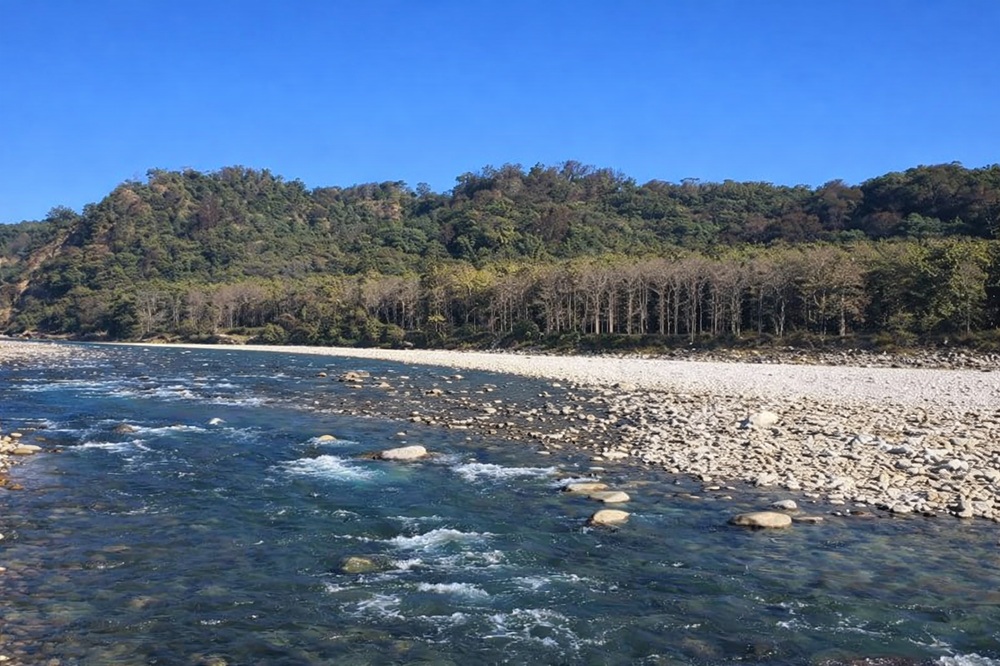
Jim Corbett Rivers – Lifelines of Jim Corbett National Park
The Ramganga, Kosi, Sonanadi, and Mandal rivers are the true lifelines of Corbett. Without them, the park’s dense forests, grasslands, wetlands, birds, and mammals simply would not survive.
Let’s explore the powerful waterways that define the soul of the Corbett rivers system.
Rivers in Corbett – The Lifelines of the Forest
Water is the backbone of biodiversity in Corbett. From elephants cooling off in summer to otters playing along the banks, rivers shape the rhythm of wildlife movement.
The Ramganga River (West) and its tributaries — Sonanadi, Palain, and Mandal — form the primary water network within the park. Meanwhile, the Kosi River flows along the eastern boundary, supporting wildlife and nearby communities.
During dry summer months, these rivers become crucial survival zones where most wildlife congregates.
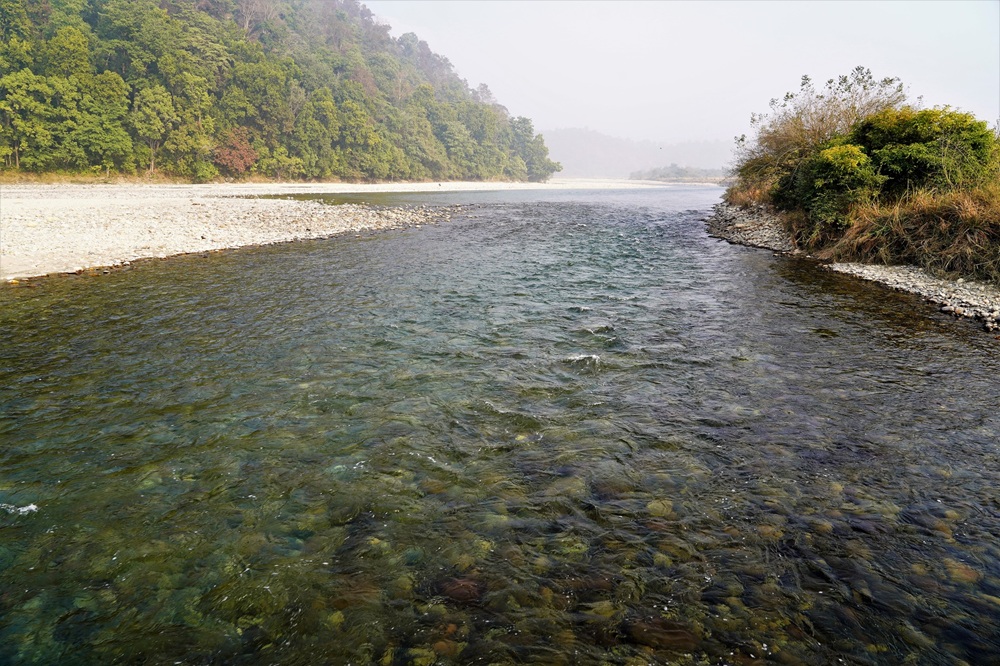
1️⃣ Ramganga River – The Heart of Corbett
Why It Matters:
-
Originally, the park was called Ramganga National Park (1954–1957).
-
Originates from the Gairsain region of the Lesser Himalayas.
-
Flows nearly 100 km before entering Corbett near Marchula.
-
Runs ~40 km east-west inside the park.
-
Joins the plains at Kalagarh before merging into the Ganga basin near Farrukhabad.
The Ramganga reservoir in Dhikala zone attracts:
-
Elephants
-
Crocodiles
-
Tigers
-
Hundreds of migratory birds
It is also famous for Mahaseer fishing, often called the “Water Tiger.”
2️⃣ Kosi River – The Eastern Guardian
The Kosi River flows along the eastern boundary of Corbett from Mohan to Ramnagar via Dhikuli.
Important Facts:
-
It does NOT flow inside the core park.
-
Serves as a crucial drinking water source.
-
A major wildlife activity zone during dry months.
-
Popular for angling and riverside walks.
Many resorts near Ramnagar are located along the Kosi banks, offering scenic sunrise views and birdwatching opportunities.
3️⃣ Sonanadi River – The Silent Contributor
The Sonanadi River flows from the northwest into Corbett and merges with the Ramganga reservoir.
It is closely associated with:
-
Sonanadi Wildlife Sanctuary
-
An important part of the Corbett Tiger Reserve
This river strengthens the park’s buffer ecosystem and enhances wildlife corridors.
4️⃣ Mandal River – The Hidden Gem
-
Water level remains low in summer.
-
Swells dramatically during monsoon.
-
Known for Mahaseer angling.
-
Ideal for wildlife photography and forest walks.
Though lesser-known, the Mandal River plays a crucial ecological role.
Why Corbett River System is Ecologically Important
1️⃣ Water Supply
The rivers provide year-round freshwater for:
-
Tigers
-
Elephants
-
Deer species
-
Birds
-
Reptiles
Without these rivers, survival during summer would be nearly impossible.
2️⃣ Biodiversity Support
Riparian zones (riverbank habitats) are biodiversity hotspots.
They support:
-
Aquatic plants
-
Fish
-
Insects
-
Amphibians
-
Migratory birds
These species form the foundation of Corbett’s food chain.
3️⃣ Natural Boundaries & Conservation
Rivers act as natural barriers:
-
Reduce human encroachment
-
Help prevent conflict
-
Maintain wildlife corridors
They are vital to conservation success in the Corbett Tiger Reserve.
4️⃣ Scenic Beauty & Tourism
From golden sunsets over Ramganga reservoir to misty Kosi mornings, rivers enhance:
-
Landscape photography
-
Riverside resorts
-
Eco-tourism experiences
-
Birdwatching tourism
Tourism supported by rivers contributes significantly to the local economy.
5️⃣ Cultural & Spiritual Significance
For nearby communities:
-
Rivers are sacred.
-
Rituals and local beliefs revolve around them.
-
Conservation is deeply connected to cultural respect for nature.
Best Time to See Wildlife Near Corbett Rivers
-
March to June: Peak wildlife sightings near water sources.
-
November to February: Ideal for birdwatching.
-
Monsoon (July–September): Rivers swell; park core zones often closed.
Final Thoughts – The Soul of Corbett
When people think of Corbett, they imagine tigers.
But the truth is — Corbett river systems are the real architects of life here.
From the mighty Ramganga to the quiet Mandal, these rivers:
✔ Sustain wildlife
✔ Shape the landscape
✔ Support local communities
✔ Enhance tourism
✔ Preserve biodiversity
The next time you visit Jim Corbett National Park, pause by the riverbanks. Listen to the flowing water. That sound is the heartbeat of the forest.
Corbett Rivers Corbett Rivers Corbett Rivers Corbett Rivers Corbett Rivers Corbett Rivers Corbett Rivers Corbett Rivers Corbett Rivers