
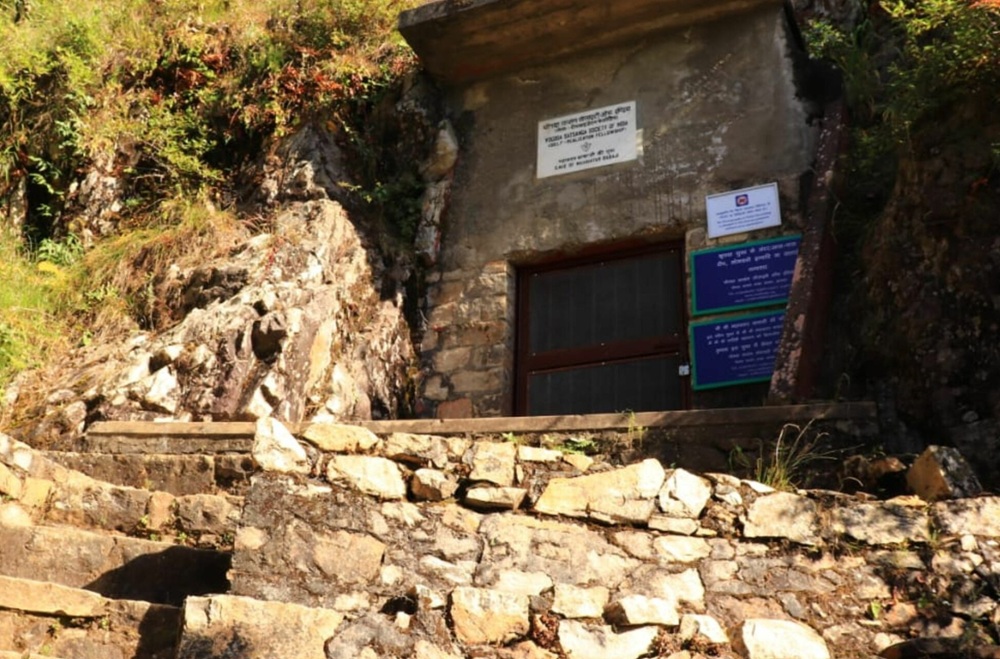
Ultimate Guide from Delhi to Mahavatar Babaji Cave
Distance, trains, taxis, the Kukuchina base village and the final trek, step by step.
- Distance by road: about 400 to 435 km from Delhi to the road end near Kukuchina/Dwarahat.
- Best route: Delhi to Kathgodam by train, then a taxi to Kukuchina via Ranikhet and Dwarahat.
- Final trek: about 2.5 to 3.5 km uphill from Kukuchina, 1 to 2 hours on foot.
- Best months: April to June and September to November.
The journey to Mahavatar Babaji Cave is not merely a physical trip; it is a pilgrimage of the soul. Hidden deep within the serene Kumaon Himalayas, near the small village of Kukuchina in Uttarakhand, this sacred spot is revered globally as the place where the immortal yogi, Mahavatar Babaji, lived, meditated, and imparted the ancient science of Kriya Yoga.
For millions of seekers and devotees, especially those familiar with Paramahansa Yogananda’s spiritual classic, Autobiography of a Yogi, reaching this remote cave is a lifelong dream. While the destination promises unparalleled peace, the logistics of navigating the distance from the bustling capital of Delhi to Mahavatar Babaji Cave can seem daunting.
This step-by-step guide gives you every detail you need, from choosing transport out of Delhi to the final trek near Kukuchina. We break the journey into three phases so you are fully prepared for the Himalayan ascent.
Delhi to Mahavatar Babaji Cave Distance
The total distance from Delhi to the motorable road end near Kukuchina/Dwarahat is approximately 400 to 435 kilometers (250 to 270 miles) by road. Here is the breakdown:
| Leg | Distance | Time |
|---|---|---|
| Delhi to Kathgodam (train or road gateway) | ~300 to 320 km | 6 to 8 hours by road; 6 to 7 hours by express train |
| Kathgodam/Haldwani to Kukuchina (village base, via Ranikhet and Dwarahat) | ~130 km | 4 to 5 hours by taxi |
| Kukuchina to Babaji Cave (final ascent on foot) | ~2.5 to 3.5 km | 1 to 2 hours uphill |
Times depend on traffic, fog in the plains and mountain road conditions.
The Spiritual Nexus: Understanding Mahavatar Babaji’s Cave
Before planning the itinerary, it helps to appreciate the significance of this location. The site of Mahavatar Babaji Cave is believed to be where Babaji taught the spiritual truths of Kriya Yoga to Lahiri Mahasaya in 1861. That event reignited a lineage of spiritual masters that continues through Paramahansa Yogananda and his global teachings.
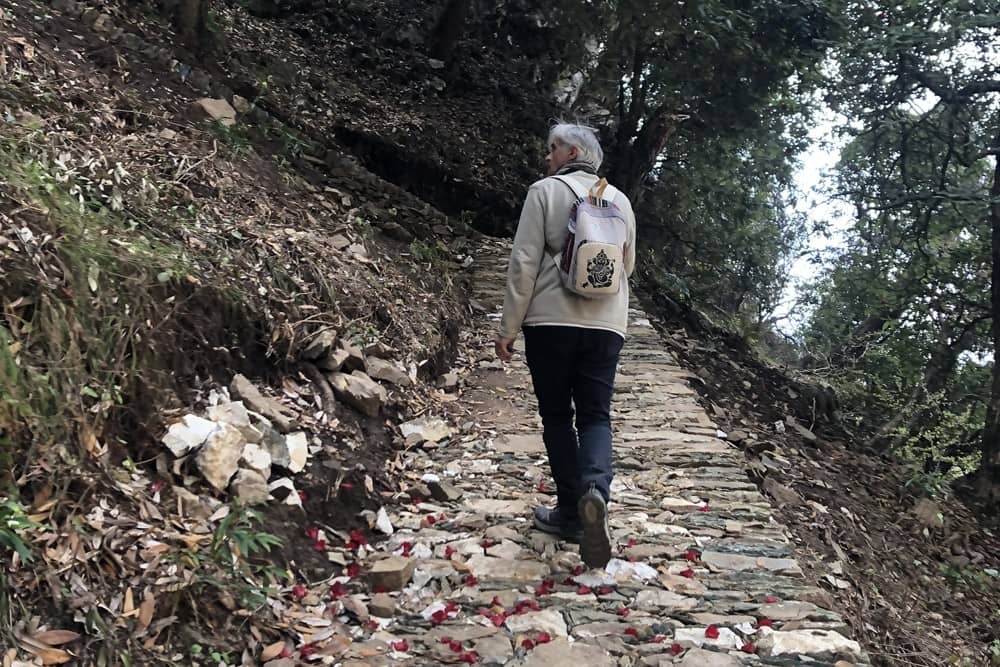
The cave is located on a ridge high above the valley near the villages of Kukuchina and Dunagiri (Dronagiri), surrounded by towering pine and oak forests. Unlike many easily accessible spiritual sites, the path to Babaji’s Cave demands dedication and effort, a symbolic requirement for all true spiritual pursuits.
Many seekers combine this pilgrimage with a visit to the famous Kainchi Dham ashram, associated with Neem Karoli Baba, which lies en route to the cave’s base village. Kainchi Dham offers a vibrant, easily accessible spiritual experience, while the cave itself is marked by silence, solitude, and raw natural beauty. Understanding this contrast helps set the right mindset for the travel ahead.
Your Route in Three Phases
- Phase 1: Delhi to Kathgodam. Train, road or air to the foot of the Kumaon hills.
- Phase 2: Kathgodam to Kukuchina. Taxi or shared jeeps via Bhowali, Kainchi Dham, Khairna, Ranikhet and Dwarahat.
- Phase 3: Kukuchina to the cave. A moderately difficult uphill trek through forest, ideally with a local guide.
Phase 1: Planning Your Sacred Journey from Delhi
The most practical gateway city is Kathgodam (KGM) or the adjacent city of Haldwani, approximately 300 to 320 kilometers from the capital.
By Train: The Most Reliable and Scenic Route
Train travel is the most comfortable and often the most scenic way to cover the distance. Your destination is Kathgodam (KGM), the last station on the line, with the easiest access to mountain taxis.
Tip: Booking your ticket to Kathgodam is the first critical step of your journey from Delhi to Mahavatar Babaji Cave. Look for early morning arrivals to maximize daytime travel in the hills.
By Road: Flexibility for the Adventurous Traveler
- Self-drive or hired cab: About 7 to 8 hours, depending on traffic and fog, especially near the plains. The route typically goes via Hapur, Moradabad and Rampur, then up to Kathgodam/Haldwani. Expect toll roads and heavy traffic on the National Highways.
- Bus services: Government (UPSRTC/UTC) and private operators run daily buses, including overnight Volvo and sleeper coaches, between Delhi’s Anand Vihar Bus Terminal and Haldwani. Haldwani is just 6 km before Kathgodam and serves the same purpose. This is the budget-friendly option.
By Air: The Fastest Option
The airport is Pantnagar (PGH). It is still approximately 70 to 80 km from Kathgodam/Haldwani and is subject to weather-related delays, and flights from Delhi are infrequent. After landing, arrange a taxi for the roughly 2-hour drive to Kathgodam or Haldwani.
Phase 2: The Gateway to the Himalayas, Kathgodam to Kukuchina
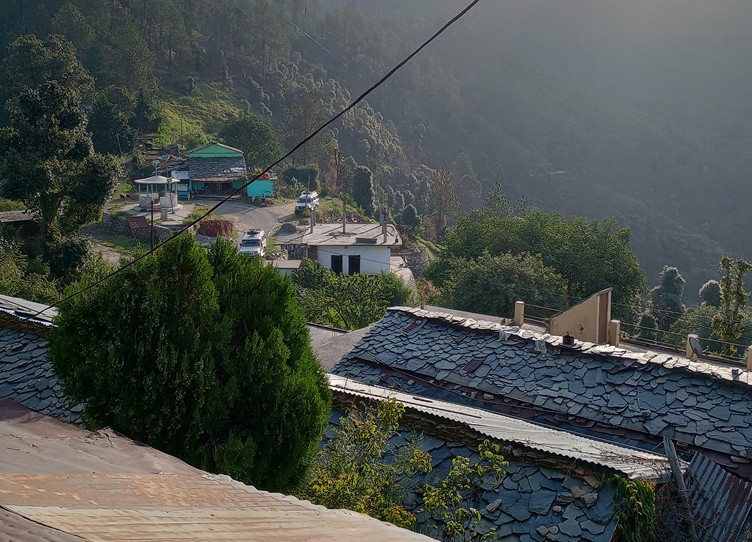
Once you arrive at Kathgodam railway station, you have entered the Kumaon region and the real mountain drive begins. The base for the trek is the small, quiet village of Kukuchina, beyond Ranikhet.
The approximate route is: Kathgodam/Haldwani, Bhowali, Kainchi Dham, Khairna, Ranikhet, Kukuchina.
The Route via Kainchi Dham
Many pilgrims stop at Kainchi Dham, the ashram of Neem Karoli Baba, about 38 km from Kathgodam. It is a natural stop and an important waypoint on the road towards Ranikhet.
- Taxi hire: The recommended mode of transport. Taxis are readily available at the Kathgodam station parking lot.
- Tip: Negotiate a full-day fare, or a two-day fare if you plan to stay in Kukuchina overnight and return the next day. A dedicated taxi also keeps your luggage safe while you trek.
- Cost and time: Kathgodam to Kukuchina (approx. 130 km) takes about 4 to 5 hours. A taxi costs considerably more than a shared jeep but is far more comfortable.
Shared Jeeps and Buses to Kukuchina (Budget Travel)
Budget travel needs more connections:
- Kathgodam to Ranikhet. Take a local bus or shared jeep/taxi from the Kathgodam bus stand towards Ranikhet. This takes around 3 hours.
- Ranikhet to Kukuchina. From the Ranikhet main bus stand, find another shared taxi or a local bus heading towards Dwarahat or Almora that stops near Kukuchina. This last segment is about 60 km. Transport frequency drops significantly after noon, so plan to reach Ranikhet before lunchtime.
From Kathgodam you leave the noise behind and begin the slow, winding climb into the landscape leading to the Mahavatar Babaji Cave. The crisp mountain air and panoramic views prepare you for the final effort.
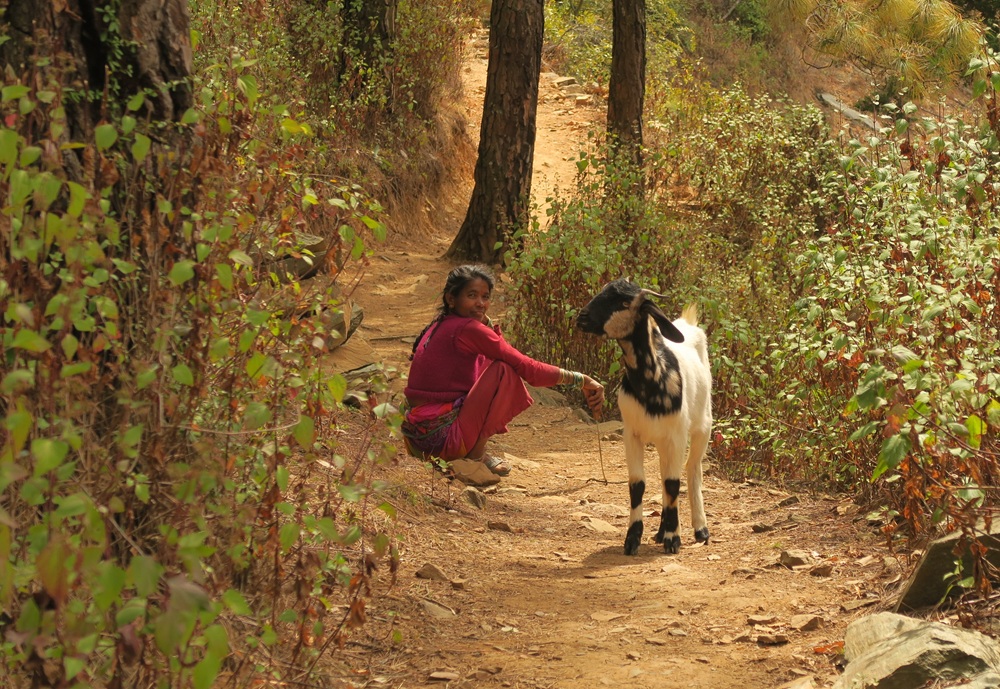
Phase 3: The Ascent, Trekking to Mahavatar Babaji Cave
The village of Kukuchina is the essential base camp for the final trek. It is a tiny settlement with limited infrastructure, mostly small guesthouses and local shops.
Trek Logistics and Requirements
The Necessity of a Local Guide
Seasoned trekkers might attempt the climb alone, but hiring a local guide is highly recommended and often necessary:
- Safety: The dense forests can be disorienting and the path sometimes branches off. A guide keeps you on the correct, safe route.
- Local knowledge: Guides from Kukuchina or Dunagiri often carry the key to the caves, as they are sometimes locked to protect the sanctity of the site and prevent vandalism. They also know where to find water and rest.
- Spiritual context: Many guides are devotees themselves and share local lore, keeping the experience rich and respectful.
You can arrange a guide through the small guesthouses in Kukuchina or ask your taxi driver to connect you with one.
Practical Tips for the Seeker
Frequently Asked Questions
What is the distance from Delhi to Mahavatar Babaji Cave?
About 400 to 435 km by road from Delhi to the road end near Kukuchina/Dwarahat, plus a trek of about 2.5 to 3.5 km uphill to the cave.
How do I reach Mahavatar Babaji Cave from Delhi?
Take a train or bus to Kathgodam or Haldwani, then a taxi (about 130 km, 4 to 5 hours) to Kukuchina via Ranikhet and Dwarahat. From Kukuchina, trek uphill to the cave for 1 to 2 hours.
Which train is best from Delhi to Kathgodam?
The Ranikhet Express (15013/15014) runs overnight and arrives early in the morning. The Shatabdi Express (12040/12039) is a faster day-time option from Anand Vihar Terminal.
How difficult is the trek to Babaji Cave?
Moderately difficult. It is a steep, consistent climb through dense forest, not technical, and takes 1 to 2 hours depending on the route.
Do I need a guide for Mahavatar Babaji Cave?
A local guide is highly recommended. The path is unmarked in many places, and guides often carry the key to the caves, which are sometimes locked.
What is the best time to visit Mahavatar Babaji Cave?
April to June and September to November. Avoid July and August (monsoon) and December to February (snowfall).
Where can I stay near Babaji Cave?
Kukuchina has simple guesthouses with basic lodging and food. Ranikhet has more comfortable hotels, about 60 km from the trailhead.
Plan Your Babaji Cave Journey
Questions about routes, taxis or the trek? Message us on WhatsApp.